MULTI-USE WALL HOOK
2016
The Need:
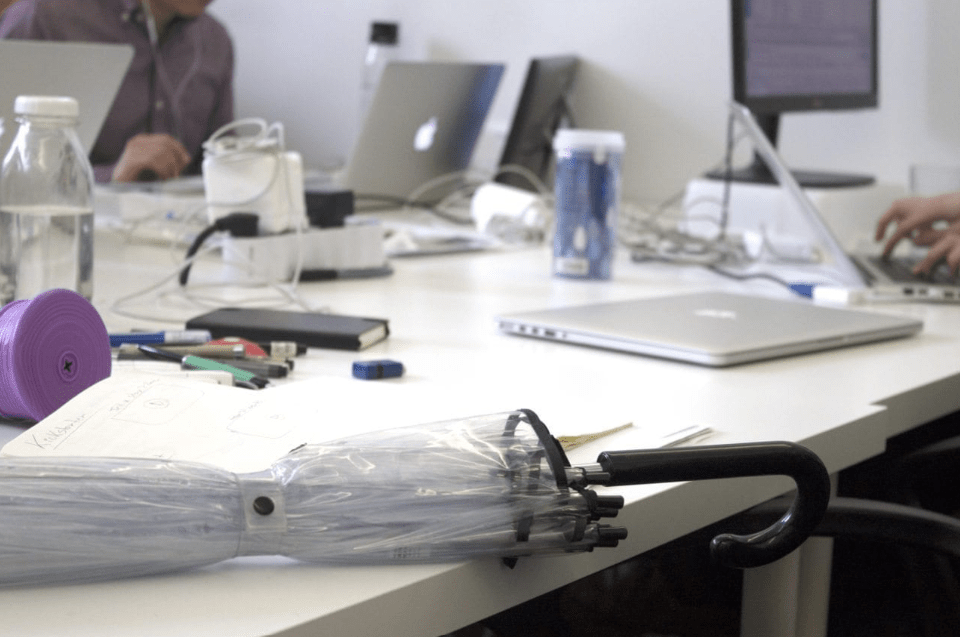
When I first started at IPPINKA they were looking to introduce their first in house created product. Something simple yet universal was an obvious direction to focus on. Since we were in a small office space in the urban center of Toronto, we had gear, bikes, jackets and umbrellas packed into our tiny shared space. The need for a rack to hold all of our things sparked the idea to create a multi-use wall mounted hook.
The Idea:
The goal was to create a wall hook that is both strong and sleek, capable of holding a bicycle yet elegant enough for a scarf. It needed to be adaptable, looking great in different settings, from a college dorm room to a entryway in a modern home. In October 2015, we began designing this versatile, high-quality, minimalist hook, aiming to combine functionality, environmental awareness, and style in a way that enhances urban living and small spaces.

The Design Direction:
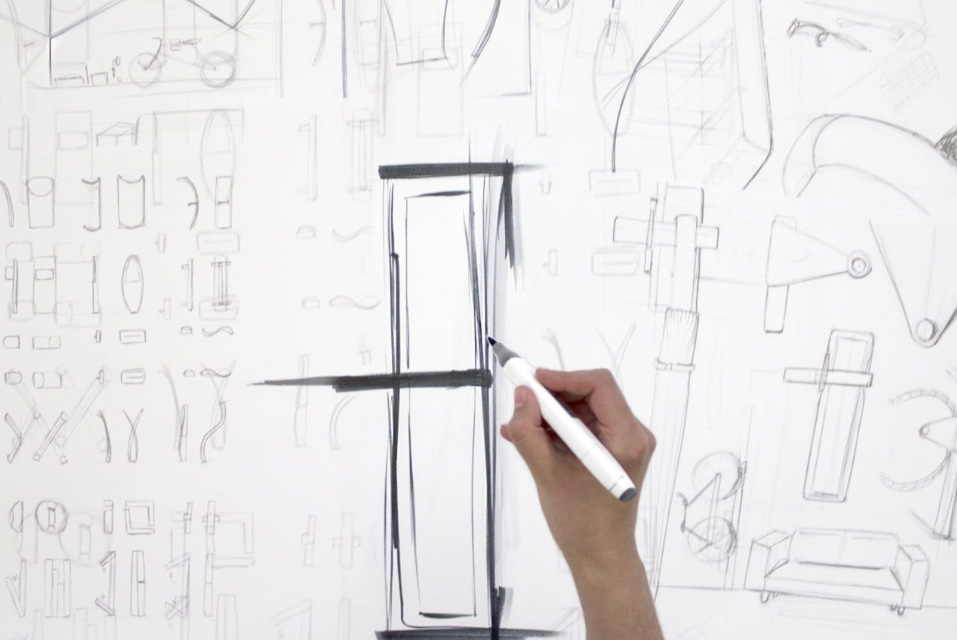
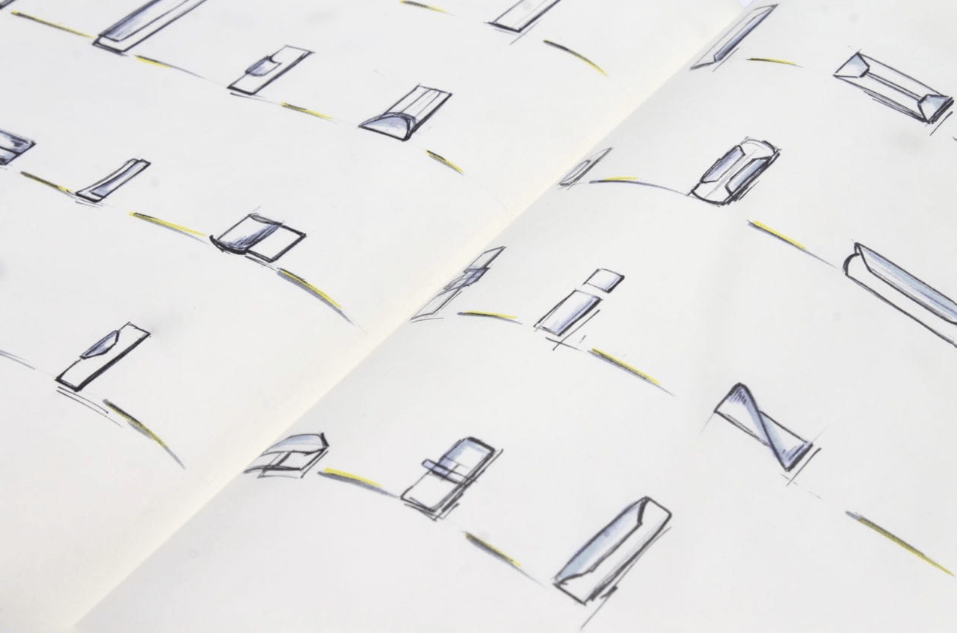
We focused on functionality, minimalism, and high quality. Through rapid iteration, sketching, modeling and testing we began to refine the initial ideas. The design has evolved by considering three key aspects: aesthetics, components, and the ability to support weight while maintaining a minimalist look. The hook’s design was refined to meet these essential needs: a strong enough connection to the wall to support a heavy object like a bike, versatile shape offering an additional function, making it more than just a simple bike hook, and for it to be appreciated for its design while not in use.


Prototyping:
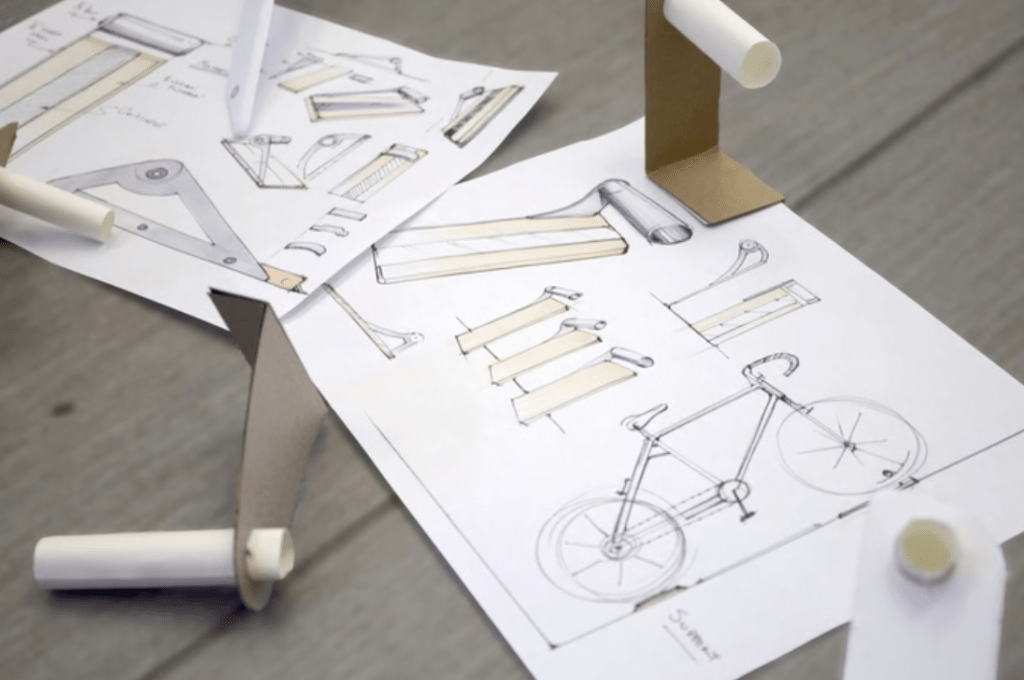
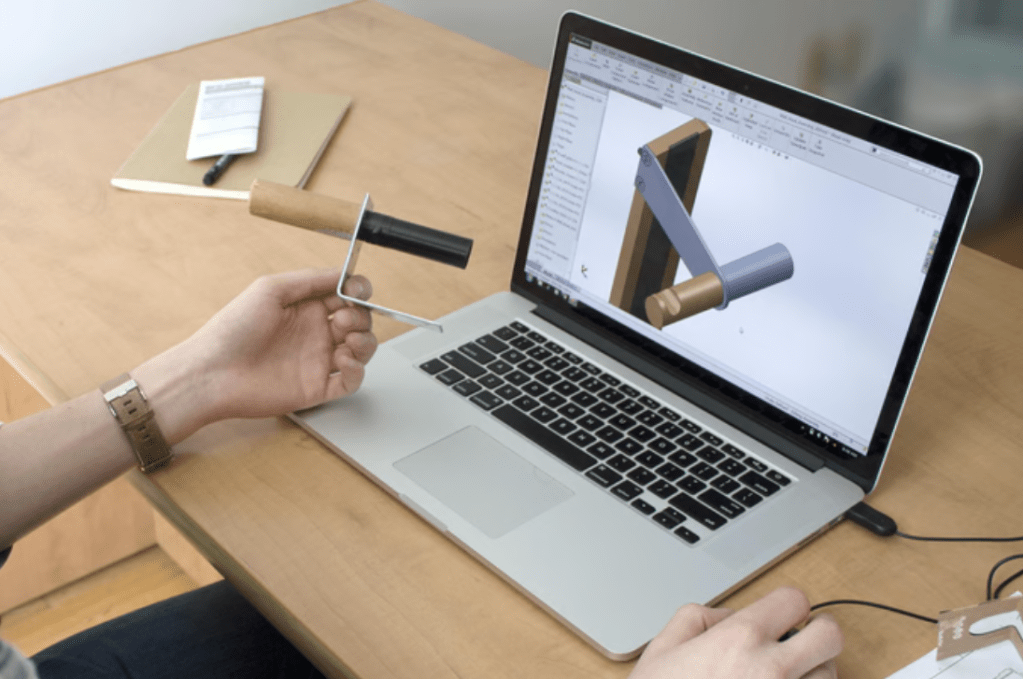
We explored the aesthetic aspects of our product by creating rough versions of look-alike prototypes. This versatile wall hook would have three different components, each essential to the design and each fulfilling a different role. The prototyping process helped us dial in the proportions and desired look. Aesthetically we could use three different materials to create contrast between the parts. As we designed the hook, we always maintained the minimalist direction with simple geometry and simple lines.
Development:
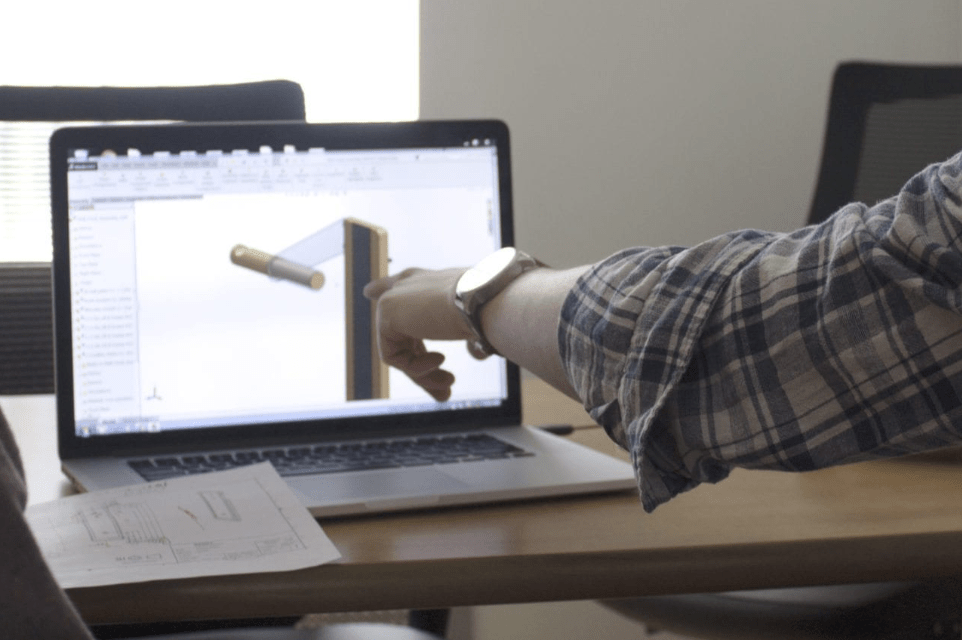
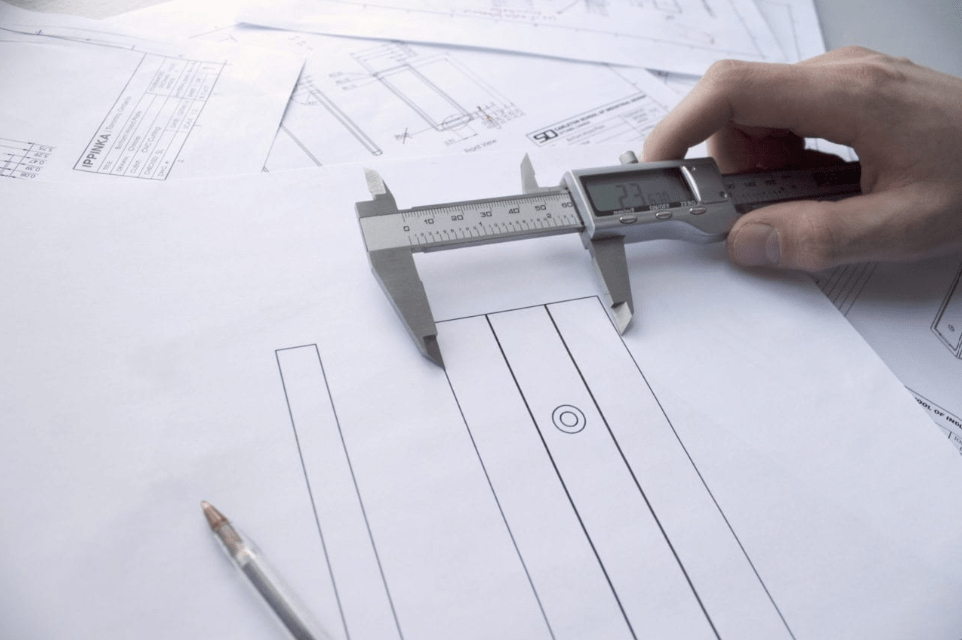
To create a wall hook that connects to the wall, holds heavy objects like a bike, and offers extra functionality, the team consulted with makers who could meet their material requirements of strength, quality, and ease of maintenance. After sharing their technical drawings and ideas, the makers provided valuable feedback, suggesting changes to improve the hook’s aesthetics and durability, such as softening edges and using more durable materials. These suggestions led to design refinements that enhanced both the functionality and the appearance of the hook, striking a balance between form and function.


Material Selection:
Due to our limited resources and manufacturing limitations while developing the wall hook, we found that wood, metal and leather were the logical choice for final materials.
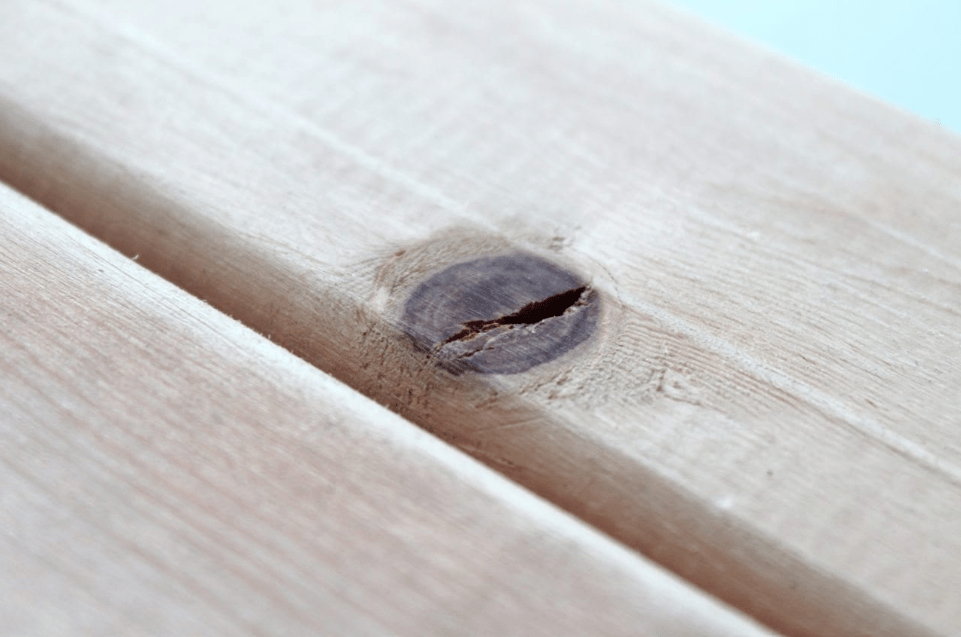
Wood: It has an amazing strength and is easy to manufacture, which makes production straightforward and affordable. It was also important to us to use a base material that blended in with what might already be in someone’s home.
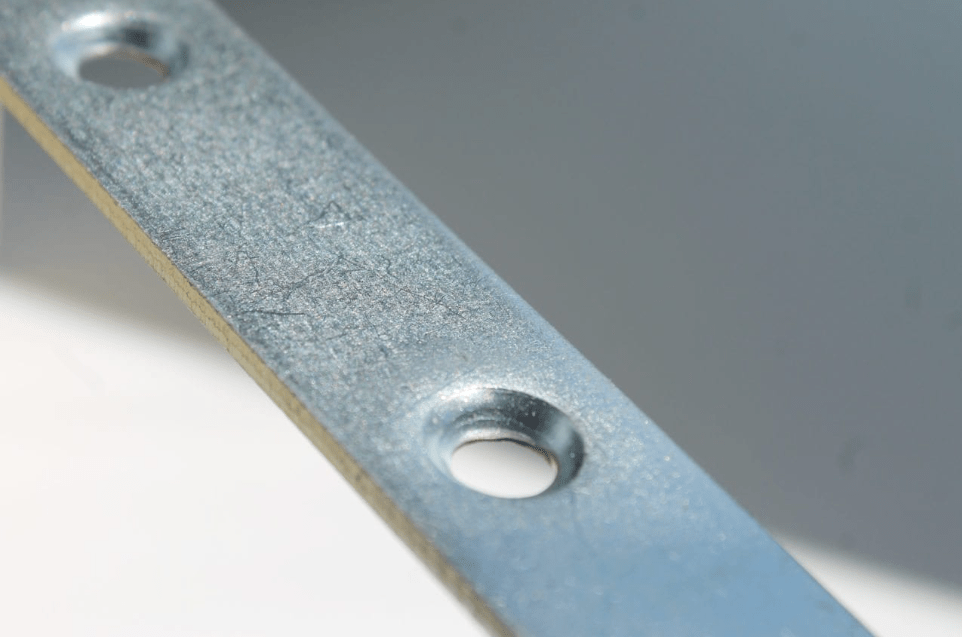
Metal: Since one of the major design criteria for the wall hook is to hold excessive weight, metal was a required choice. Using simple bending and welding, we were able to adjust the raw material into a soft, approachable final product.
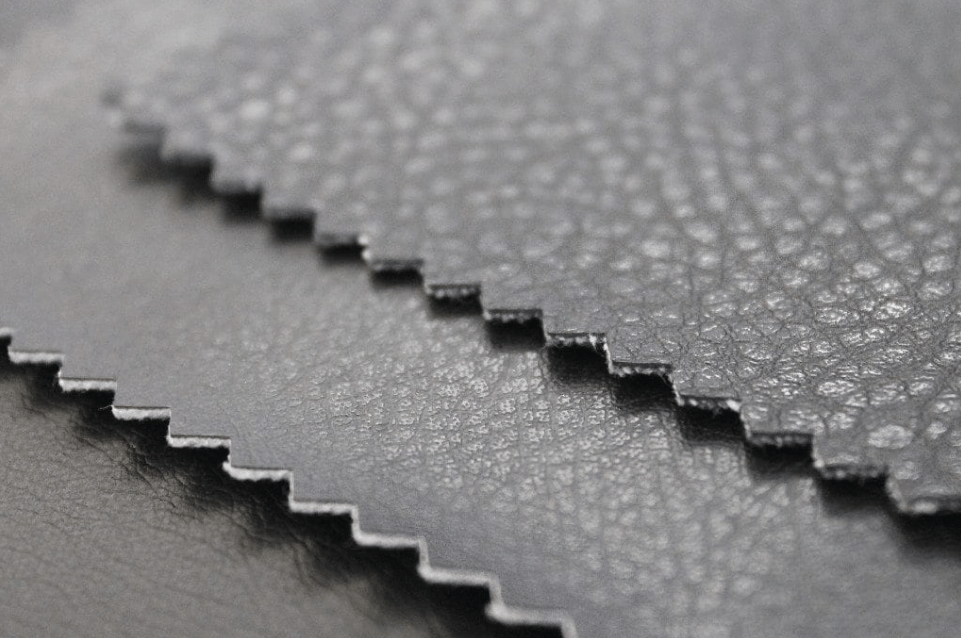
Leather: To tie everything all together, the durability, versatility and timeless nature of leather was a perfect choice.
THE FINAL PRODUCT

Final Product:
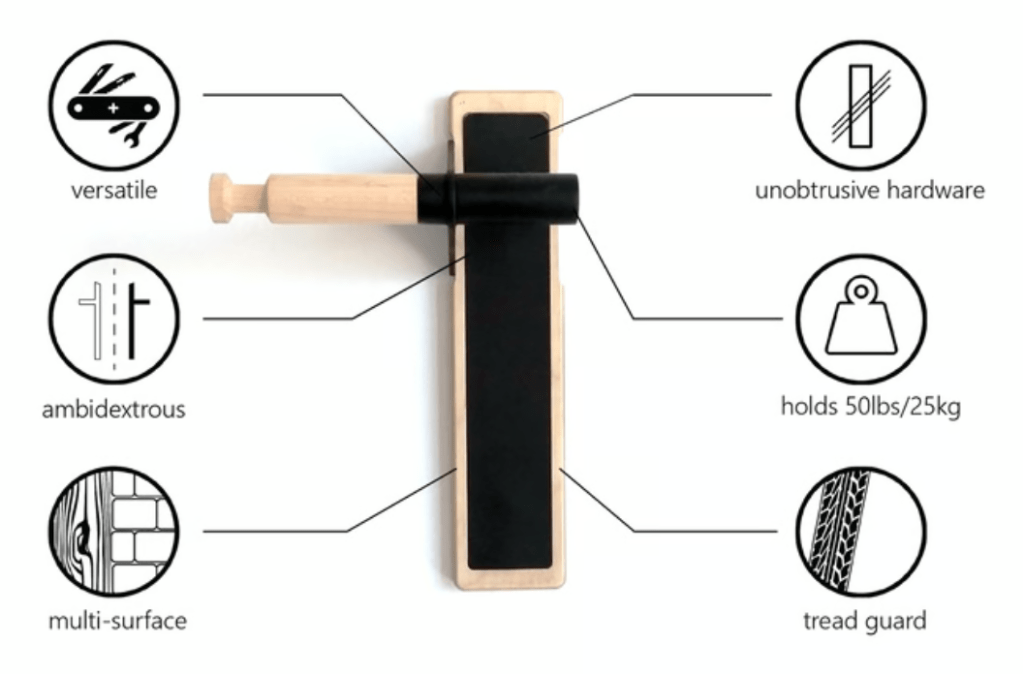
Lift is a versatile minimal wall hook that helps you organize your busy life. It is meant to compliment your space, by adding a touch of elegance and simplicity. It is made of a maple wood hangar, a powder-coated steel arm, and a CNC birch plywood plate that secures to the wall.
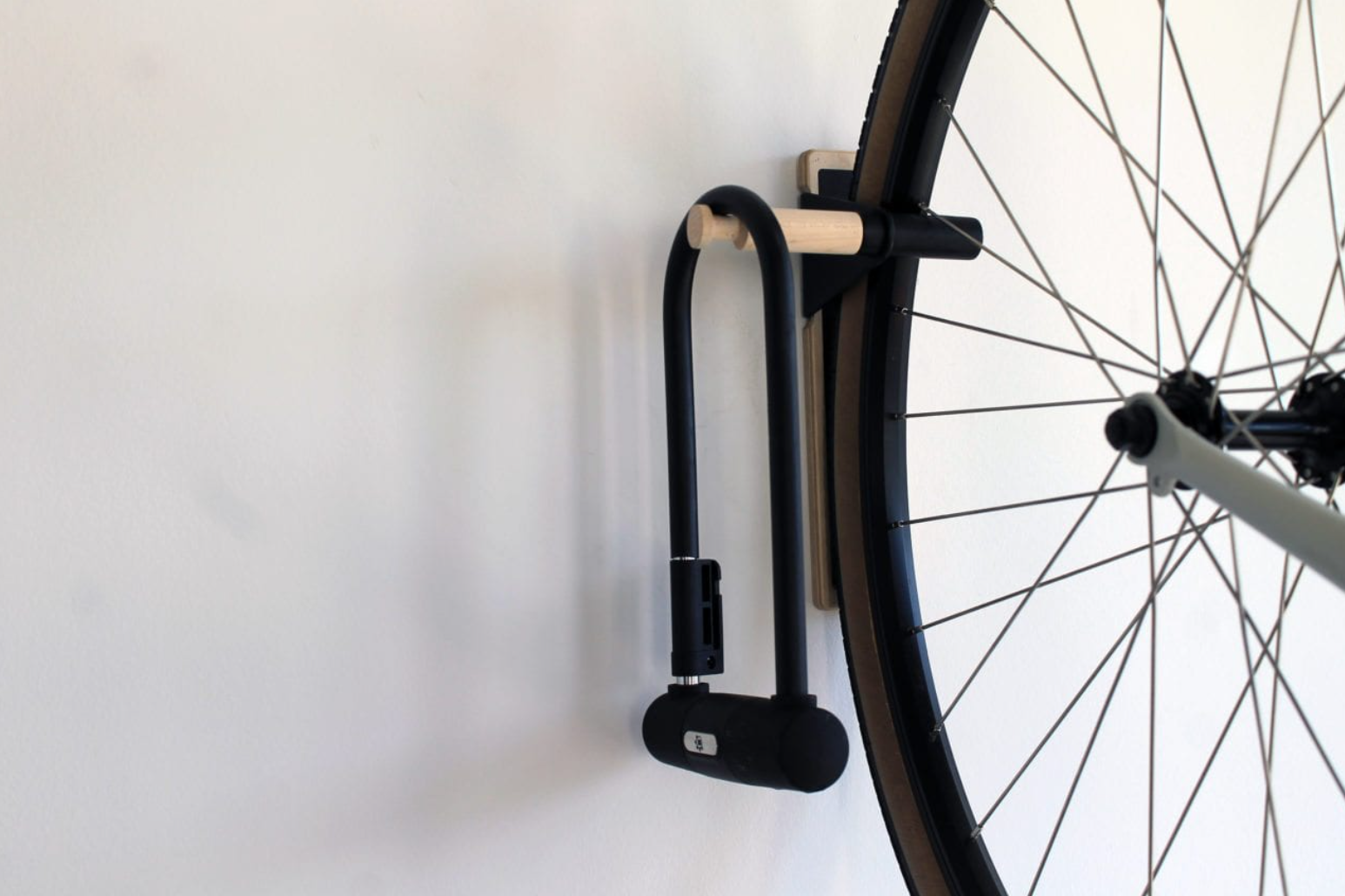
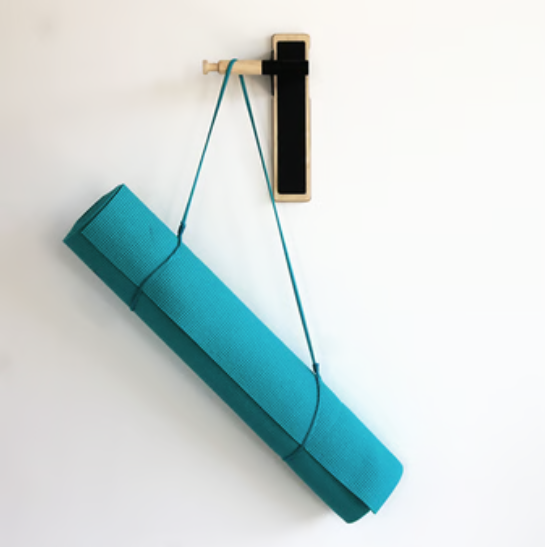
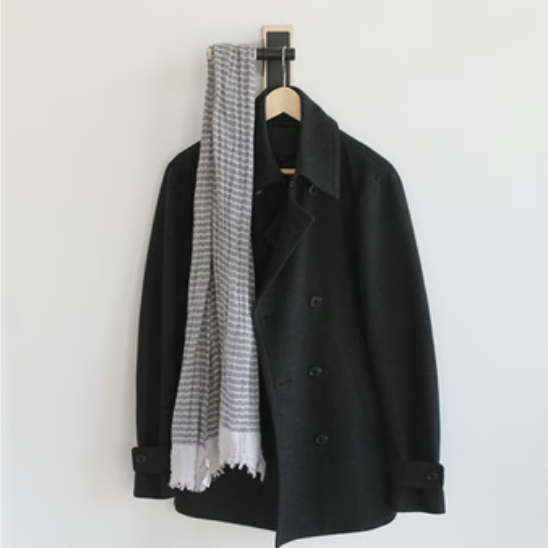
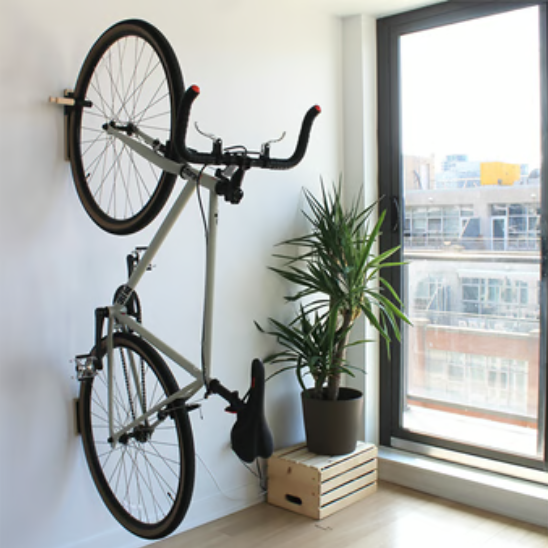
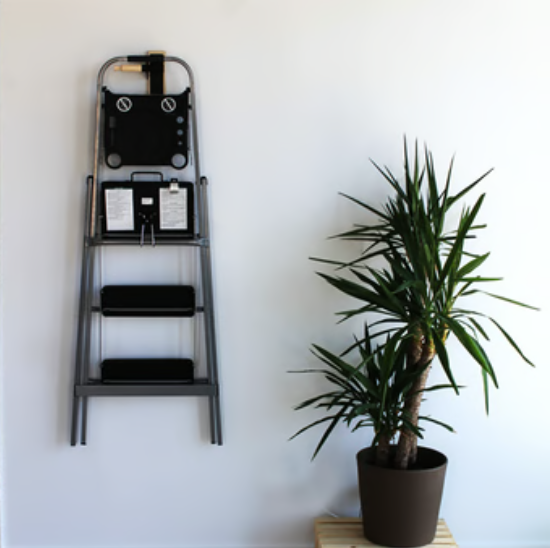
After working with the local makers, we were able to produce a number of working samples and arrange a manufacturing plan. There are 4 components to “Lift’s” final assembly: a wood dowel hangar, a powder-coated steel arm, a CNC-milled birch plywood plate and a strip of laser cut leather. Maintaining a minimal design, it helped to reduce the manufacturing cost and keep the cost per unit low.


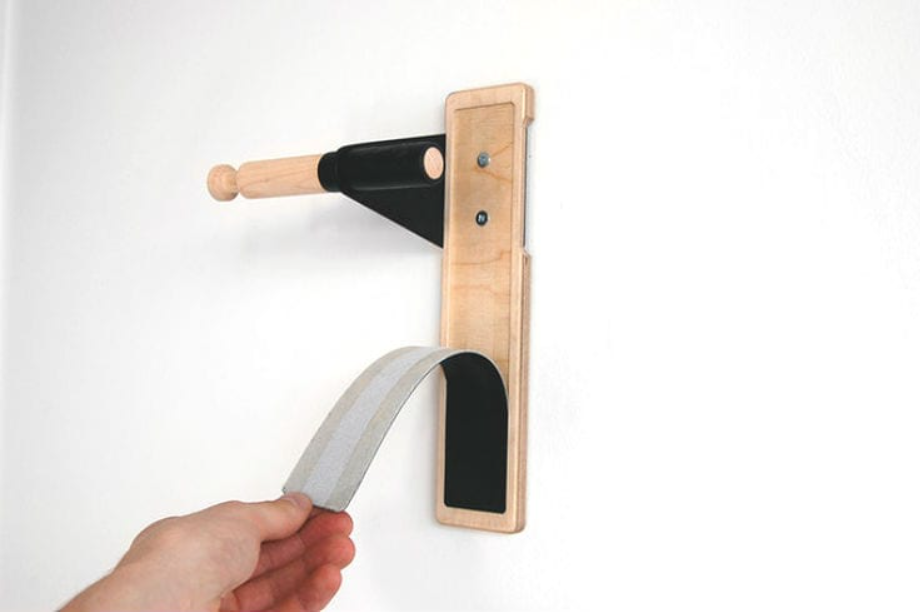

Using the few samples we developed, we created a significant amount of assets to create a Kickstarter campaign. Without the funding that was raised during the successful campaign, there would not have been enough capital to cover the initial production costs.
The Campaign:
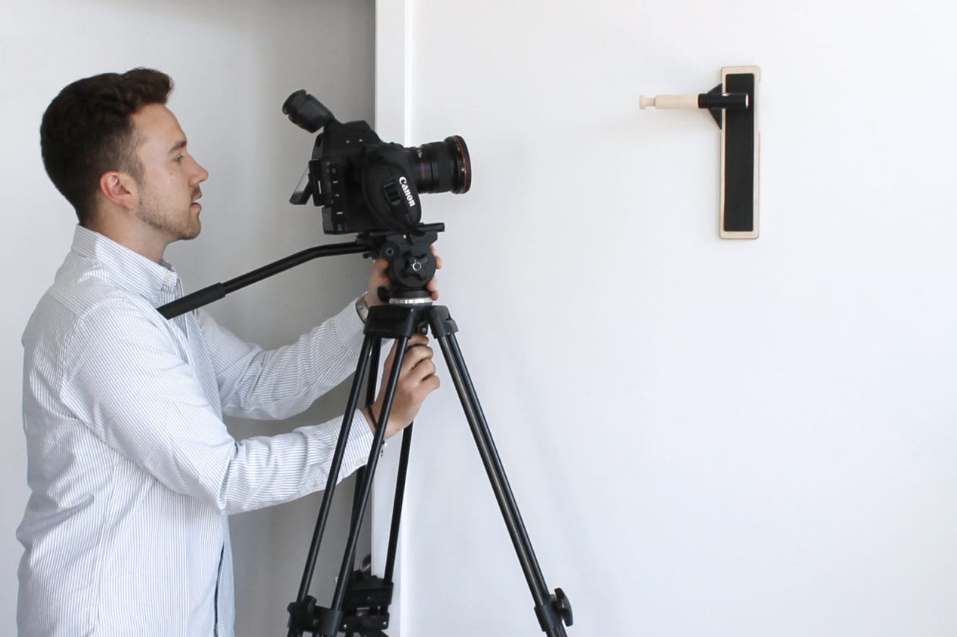
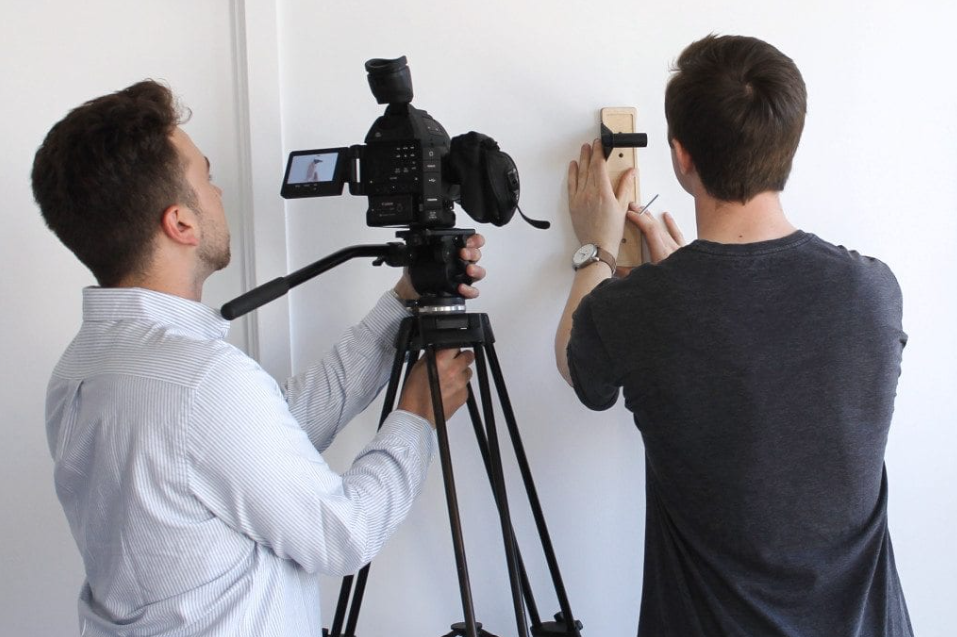
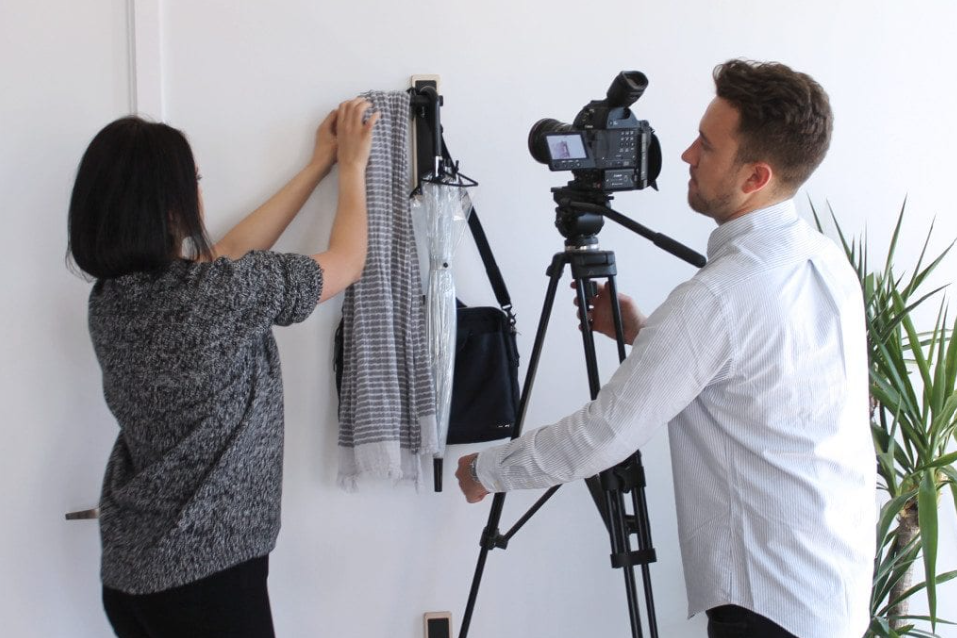
The goal was to showcase Lift’s minimal design and versatility through a video that captures its essence more than a few photos. To achieve this, the team collaborated with Maxym Perron to create a 3-minute video that highlights the project’s motivations, functionality, and design process. The video production itself was a design project, requiring careful planning, resource management, and collaboration. Filming Lift emphasized the importance of visual language in conveying the product’s details and the 8 months of effort put into its development.

Due to the success of the Kickstarter campaign, which raised over $10,000, we were able to fund the production of 500 units. After fulfilling the backers orders, we sold the rest of the Lift hooks gaining another $27,000 in sales. The success in these sales further funded production and also was used to support future in house projects that the team at Ippinka created.

 JMH
JMH 